
The words “root canal” make most people tense up immediately. For decades this procedure has carried a reputation for being painful, complicated, and something to dread. But here is the truth most patients discover only after they are sitting in the chair: a root canal treatment in Phoenix today is far more comfortable than you have been led to believe, and in most cases, it feels no different from getting a routine filling.
If your dentist has recommended a root canal, or if you are experiencing symptoms that suggest you might need one, this guide will walk you through exactly what to expect, from the first sign of trouble all the way through recovery.
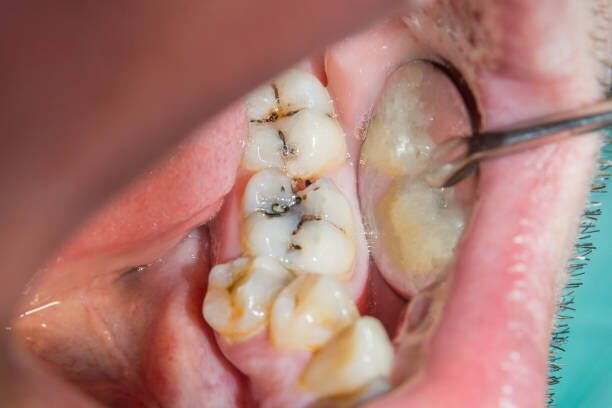
What Is a Root Canal and Why Would You Need One?
Inside every tooth, beneath the hard enamel and the layer of dentin underneath it, there is a soft tissue called the pulp. The pulp contains nerves, blood vessels, and connective tissue. When this inner tissue becomes infected or inflamed, it causes serious pain and, if left untreated, can lead to abscess, bone loss, and eventually tooth loss.
Root canal treatment is the procedure used to remove that infected or inflamed pulp, clean and disinfect the inside of the tooth, and then seal it so the infection cannot return. The goal is always to save the natural tooth rather than extract it.
Common reasons a patient may need a Root canal treatment in phoenix include:
- A deep cavity that has reached the inner pulp
- A cracked or fractured tooth that has allowed bacteria inside
- Repeated dental procedures on the same tooth that have caused inflammation
- A tooth injury, even one with no visible crack on the surface
- Severe, prolonged tooth sensitivity to heat or cold
Signs You Might Need Root Canal Treatment
Many patients are surprised to learn they need a root canal because some cases present with very mild symptoms or none at all. However, the most common warning signs to watch for include:
- Severe or throbbing tooth pain, especially when chewing or applying pressure
- Lingering sensitivity to hot or cold that does not fade after the source is removed
- Darkening or discoloration of the tooth
- Swelling or tenderness in the nearby gums
- A persistent pimple-like bump on the gum near the affected tooth
If you are experiencing any of these symptoms, visiting a dentist in Phoenix promptly is important. Delaying treatment allows the infection to spread and makes the situation significantly more complicated to treat.
The Root Canal Procedure: Step by Step
This is the part most patients are most nervous about, and it is almost always far less dramatic than expected. Here is exactly what happens during a standard root canal treatment in Phoenix.
Step 1: X-Rays and Examination
Your dentist takes detailed X-rays of the affected tooth to assess the extent of the infection, the shape of the root canals, and whether the surrounding bone has been affected. This gives a complete picture before any treatment begins.
Step 2: Local Anesthesia
Before anything else, the area around the tooth is thoroughly numbed with local anesthesia. This is the most critical step for patient comfort, and modern anesthetics are highly effective. Most patients feel nothing beyond mild pressure during the procedure itself.
Step 3: Pulp Removal
Once the area is completely numb, a small opening is made in the top of the tooth. The infected or inflamed pulp is carefully removed using precision instruments. The inside of the tooth, including each root canal, is then cleaned and shaped.
Step 4: Disinfection and Sealing
The cleaned canals are disinfected thoroughly to eliminate any remaining bacteria. The canals are then filled with a biocompatible material called gutta-percha and sealed to prevent reinfection.
Step 5: Crown Placement
Because a tooth that has had a root canal can become more brittle over time, a dental crown is typically placed afterward to protect it and restore full function. Your dentist will discuss timing and crown options with you based on your specific situation.
Does a Root Canal Hurt?
This is the number one question patients ask, and the honest answer is: not during the procedure. The local anesthesia used today is so effective that the procedure itself is virtually painless for the vast majority of patients.
After the anesthesia wears off, it is normal to experience some mild soreness and sensitivity in the area for a few days. This is simply your body responding to the treatment. Over-the-counter pain relievers such as ibuprofen manage this discomfort well for most people, and it fades quickly.
The pain patients associate with root canals is almost always the pain they felt before treatment, caused by the infection itself, not the procedure used to treat it.
Root Canal vs. Tooth Extraction: Which Is Better?
When a tooth is severely infected, some patients wonder whether extraction is a simpler solution. In most cases, saving the natural tooth through root canal therapy is the far better long-term choice for several reasons:
- Natural teeth are always stronger and more functional than any replacement
- Losing a tooth creates a gap that can cause neighboring teeth to shift over time
- Tooth replacement options such as implants or bridges involve additional cost and procedures
- A tooth restored with a root canal and crown can last for many years with proper care
Extraction should only be considered when the tooth truly cannot be saved. A qualified dentist in Phoenix will always explore saving the natural tooth first.
Recovery: What to Expect After Treatment
Recovery from a root canal is straightforward for most patients. Here is what to keep in mind in the days following your procedure:
- Avoid chewing on the treated side until your permanent crown is placed
- Stick to soft foods for the first day or two
- Take any prescribed or recommended medication as directed
- Brush and floss gently around the area
- Contact your dentist if pain worsens significantly after the third day, as this is uncommon and worth checking
Most patients return to normal daily activities the very next day.
Frequently Asked Questions
How long does a root canal take?
Most root canals are completed in one to two appointments, typically lasting between 60 and 90 minutes each depending on the complexity of the case.
Is a root canal covered by insurance?
Root canal treatment is generally considered a restorative procedure and is covered at least partially by most dental insurance plans. Check with your provider for your specific coverage details.
Can I drive myself home after a root canal?
Yes. Since only local anesthesia is used, you are fully alert after the procedure and can drive yourself home without any issue.
What happens if I delay treatment?
The infection will continue to spread, potentially affecting the surrounding bone and neighboring teeth. What starts as a manageable root canal can become a much more complex and costly situation if left untreated.
Will the tooth need a crown afterward?
In most cases, yes. A crown protects the restored tooth and restores its full chewing function. Your dentist will advise you on the best crown option for your specific tooth.
Final Thoughts
A root canal in Phoenix is one of the most misunderstood procedures in dentistry. The fear surrounding it is built almost entirely on outdated information. Today the procedure is precise, comfortable, and in most cases completed in just one or two visits.
More importantly, it saves your natural tooth, eliminates the infection causing your pain, and prevents far more complicated problems from developing down the line. If your dentist has recommended root canal treatment, the best thing you can do is move forward with confidence rather than delay.If you are experiencing tooth pain or have been told you may need a root canal, Orangewood Family Dental in Phoenix offers thorough evaluations, gentle care, and the latest techniques to make your experience as smooth and comfortable as possible